Design

March 8, 2025

2 min read
Why ‘Best Practices’ Are Killing Innovation in UX
Why ‘Best Practices’ Are Killing Innovation in UX
Are we designing for users… or just playing it safe?
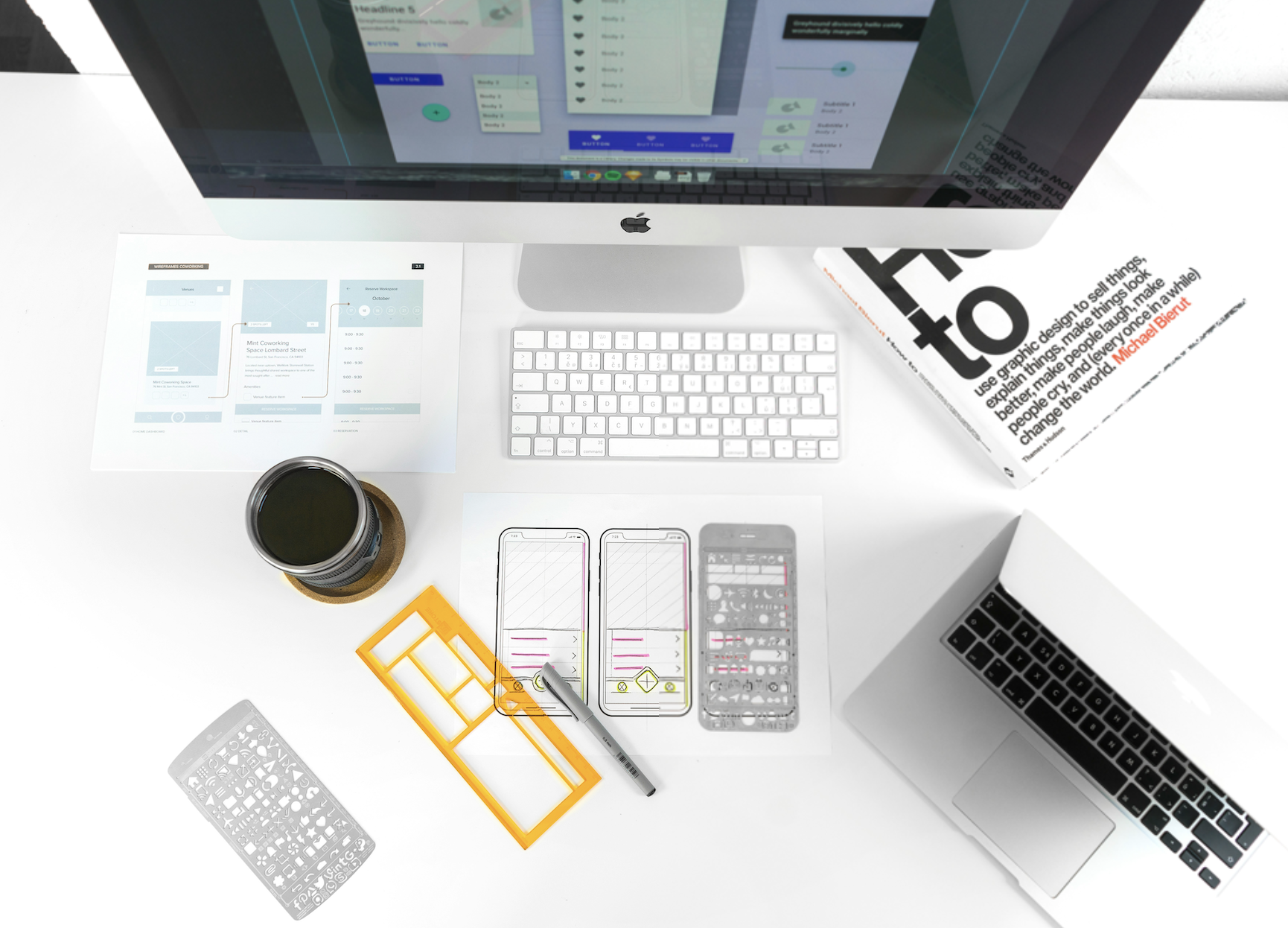

The best UX designers aren’t just problem solvers - we’re translators. We take what users need and turn it into business value, ensuring both sides win. But finding that sweet spot between user satisfaction and business sustainability? That’s the hard part.


We love to say we’re user-centered, but what if that’s only half the equation? A flawless experience means nothing if the product doesn’t drive business success. After all, what good is a beautifully designed feature if no one uses it? Or worse, if it doesn’t contribute to growth?
UX isn’t just about making things easy or delightful. It’s about guiding users toward actions that sustain the product. The best designers don’t just ask, “Is this good for the user?” They ask, “Is this good for the user and the business?”
Balancing these needs isn’t easy, but it’s what separates great designers from just good ones.
It’s a comforting idea, build a great experience, and business success will follow. But is that really true?
The reality:
A perfect UX won’t save a bad business model. A product can be beautifully designed and still fail if it doesn’t generate revenue.
User happiness ≠ business viability. People might love using a free feature, but if it’s not financially sustainable, it could be a short-lived success.
Sometimes friction is necessary. A perfectly smooth experience might not drive action: strategic friction can guide users toward valuable behaviors (think: Netflix’s "Are you still watching?" prompt).
We’re not just designing for users. We’re designing for the product’s future.
So, how do we strike the right balance? A business-aware UX designer thinks beyond usability. They ask:
How does this feature support long-term product growth?
Does this design decision increase retention, revenue, or engagement?
Are we helping users while also ensuring sustainability?
Take free trials, for example. A common UX instinct might be to make cancellation easy and obvious. That’s great for users, but does it support the business?
A better approach?
Make cancellation easy, but use well-placed friction (e.g., “Want to pause instead?”).
Show users what they’ll lose before they confirm cancellation.
Use engagement data to trigger retention-focused UX flows (like reminding them of watched content or progress made).
The best UX isn’t just frictionless. It’s intentional.

One of the biggest mindset shifts I’ve had as a designer is realizing that good UX and business goals don’t have to compete, they can amplify each other.
Instead of this:
"How do I make this the smoothest experience possible?"
Ask this:
"How do I make this the smoothest experience while driving the right user actions?"
As designers, we need to stop seeing business constraints as limitations and start seeing them as design challenges. Constraints often force the most creative solutions.
We aren’t just here to design nice interfaces. We’re here to create experiences that support both users and the company behind them. The most successful products don’t just feel good to use, they work for the business too.




.svg)