Design

March 8, 2025

2 min read
Why ‘Best Practices’ Are Killing Innovation in UX
Why ‘Best Practices’ Are Killing Innovation in UX
Are we designing for users… or just playing it safe?
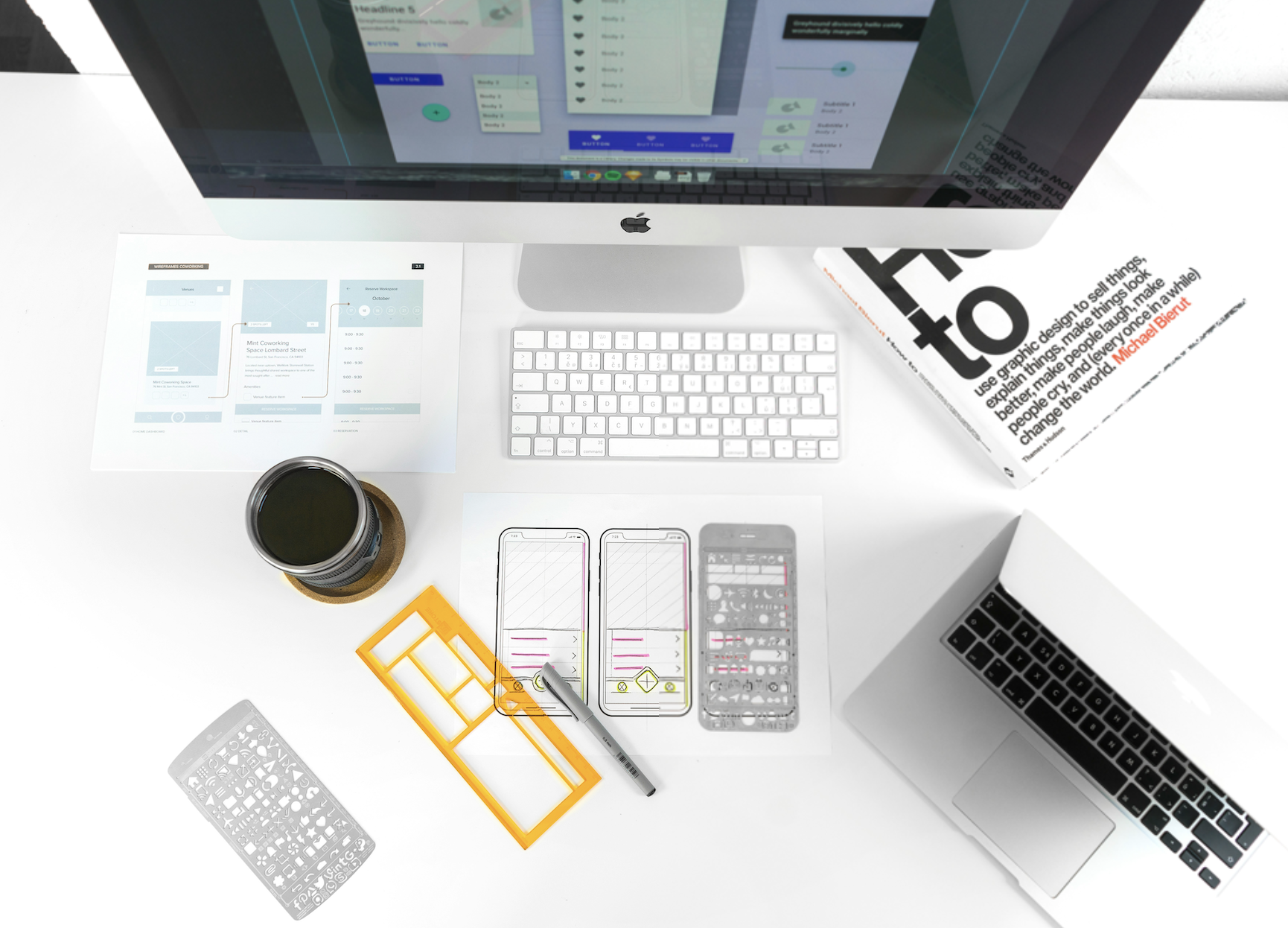

We all love data, but sometimes research slows us down more than it helps. At what point does “gathering insights” turn into analysis paralysis?



UX research is the backbone of human-centered design. It informs our decisions, validates our assumptions, and ensures we’re solving the right problems. But what happens when research itself becomes the problem?
There’s a common trap UX designers, researchers, and product teams fall into believing that more research automatically leads to better decisions. It doesn’t. In fact, too much research can create decision paralysis, delay execution, and sometimes even derail good product thinking.
We live in an era of data abundance. Every interaction, every click, every piece of user feedback can be recorded, analyzed, and synthesized. This should mean we make smarter, more informed design choices, right?
Not necessarily.
Too much research can lead to:
Analysis Paralysis – Teams get stuck in endless loops of research instead of moving forward.
Conflicting Insights – When data tells too many different stories, it’s hard to know which one to act on.
Stakeholder Overload – More research means more presentations, more approvals, and more chances for disagreement.
Loss of Momentum – While research continues, competitors launch, users adapt, and problems evolve.
So, when does research help, and when does it hinder progress?

Good research is about actionable insights, not just more data. Here’s how to avoid the UX research trap:
Focus on the “Why” Before the “How Much”
Before launching a new research study, ask:
What decision are we trying to make?
Do we already have enough data to move forward?
What’s the smallest amount of research needed to reduce uncertainty?
Set Research Constraints
Research without limits can expand indefinitely. Define:
Timeframe: How long will research take before action must be taken?
Scope: What specific questions need answering?
Decision Triggers: What findings will confirm or change the product direction?
Prioritize Signal Over Noise
Not all data is equal. Prioritize:
High-impact insights that change product direction.
Recurring themes that appear across different user sessions.
Insights tied to business and user goals, not just curiosity.
Use Lean Research When Possible
Not every project needs formal, large-scale research.
Run quick usability tests instead of waiting for long reports.
Use customer support data for real-world pain points.
Make hypothesis-driven experiments instead of chasing endless validation.

Research should accelerate decisions, not delay them. The best UX research is the kind that:
Reduces uncertainty enough to take action.
Gives clarity to design & product teams without unnecessary complexity.
Leads to tangible changes in the user experience.
The next time someone asks, “Should we do more research?”, pause and ask:
➡ Do we need more research, or do we need to make a decision?
The best UX research doesn’t just gather insights. It moves products forward.




.svg)